


Is Sleeping With a Fan On All Night Bad For Health?
Jun 18, 2026
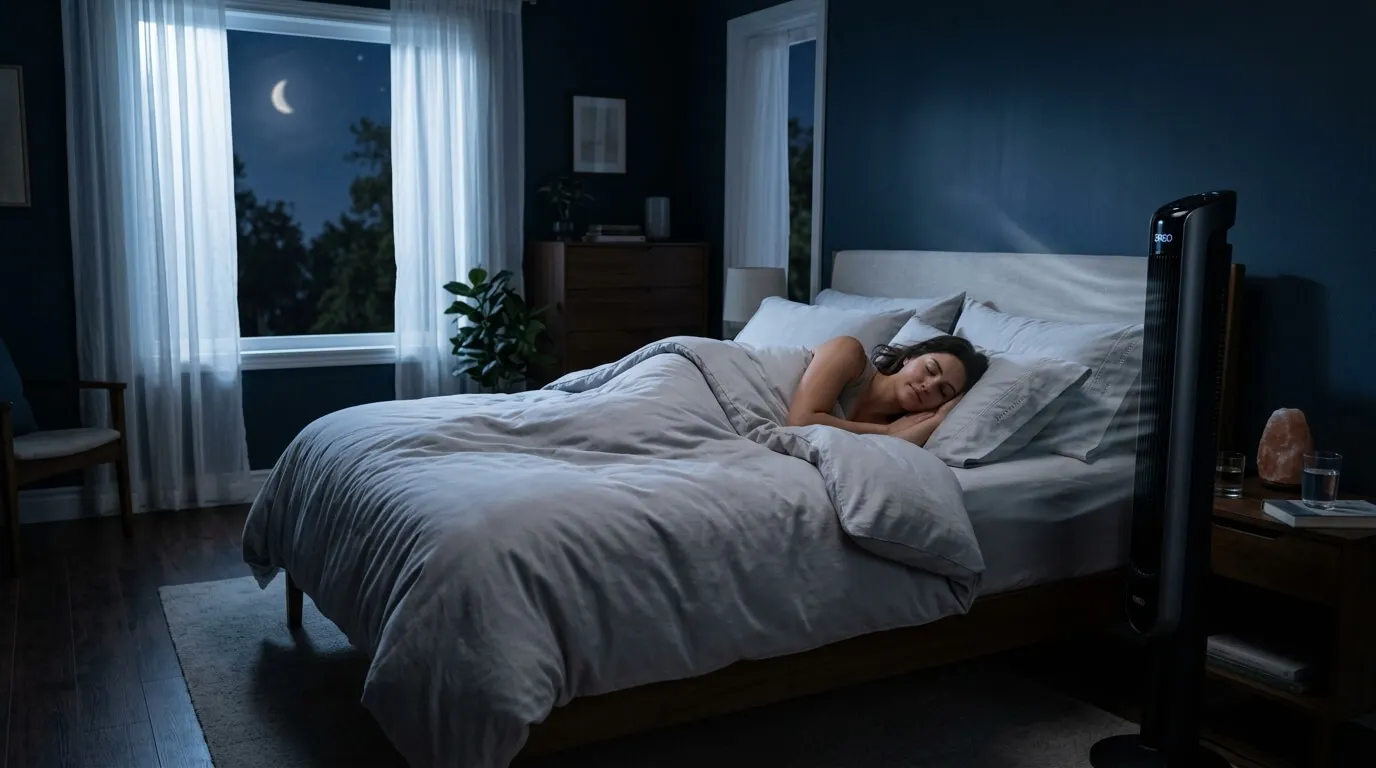
Many of us love the cool, steady breeze of a fan while we sleep — especially in warm, humid climates like Kuala Lumpur. It feels refreshing, helps us drift off faster, and keeps us comfortable through the night. But a common question often comes up: Is sleeping with a fan on all night bad for your health? Let’s break down the facts, look at both sides, and find out what’s really going on.
Potential Downsides
- Dryness: Constant airflow blows moisture away from your skin, eyes, nose, and throat. This can lead to dry, itchy skin, irritated eyes, a scratchy throat, or a stuffy or runny nose — especially if you already have allergies or sensitive airways.
- Muscle Stiffness: Direct, cool airflow on one part of your body for hours can cause muscles or joints to tense up, leading to morning soreness or stiffness in the neck, shoulders, or back.
- Allergens Circulation: Fans move air around, which can stir up dust, pollen, pet dander, and other tiny particles. If you have allergies or asthma, this might trigger symptoms like sneezing, coughing, or wheezing — particularly if the fan or room isn’t cleaned regularly.
- Temperature Regulation Issues: While cooling is good, too much constant cold air can disrupt your body’s natural temperature balance, which may affect sleep quality or make you feel chilled, especially if you’re lightly covered.
Possible Benefits
- Comfort & Better Sleep: Keeping your body cool helps you fall asleep faster and stay asleep longer, since our bodies naturally need to drop in temperature to rest well.
- Heat Safety: In hot weather, a fan helps prevent overheating, which is important for avoiding heat-related discomfort or health risks.
- White Noise: The steady hum of a fan acts as natural white noise, blocking out background sounds and helping light sleepers stay undisturbed.
How to Do It Safely
You don’t have to give up your fan — just use it smartly:
- Angle it away: Point the fan toward the wall or ceiling so it circulates air without blowing directly on you.
- Use a timer: Set it to turn off after a few hours or run at a lower speed, so you’re not exposed all night.
- Keep it clean: Dust the blades and grill regularly to stop it from spreading allergens.
- Add moisture: Use a small humidifier or keep a glass of water nearby if the air feels dry.
- Stay covered: Use a light sheet or blanket to protect your body from direct cooling.
Final Verdict
Sleeping with a fan on is not inherently bad for your health — it only becomes a problem if used incorrectly. For most people, it’s perfectly safe and even beneficial when adjusted properly. The key is balance: keep the air moving, avoid direct exposure, and maintain cleanliness. If you wake up with a dry throat, stiff muscles, or allergy flare-ups, simply tweak how you use it, and you can enjoy cool, comfortable nights without worry.