


11 Science Tips for Better Sleep on a Plane
Jun 25, 2026
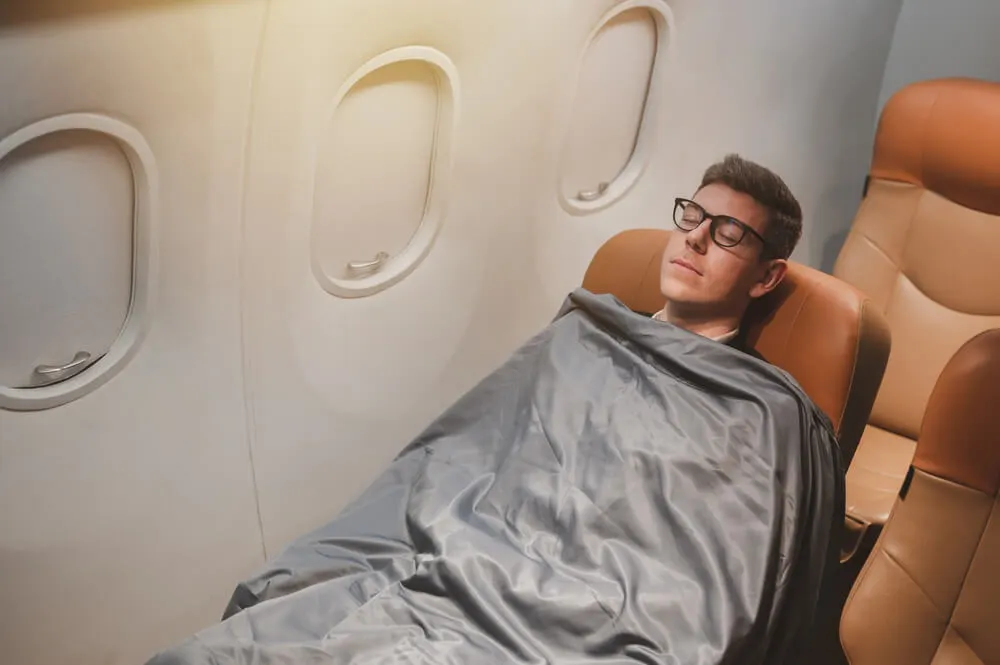
Falling asleep on a plane feels like a superpower. Between cabin noise, dry air, cramped seats, and changing time zones, it’s no wonder many people arrive at their destination feeling exhausted rather than refreshed. But the good news is: better sleep in the sky isn’t just luck—it’s something you can achieve using proven science.
Our bodies follow a 24-hour internal clock called the circadian rhythm, which regulates when we feel alert and when we feel sleepy. When we fly across time zones or sit in an unfamiliar environment, this rhythm gets disrupted. Add to that lower oxygen levels, reduced cabin pressure, and constant light and sound changes, and your brain stays in “alert mode” instead of switching to rest.
Below are 11 science-backed strategies to help you fall asleep faster, stay asleep longer, and wake up feeling more rested—even thousands of feet above the ground.
1. Time Your Sleep to Match Your Destination
Your circadian rhythm responds strongly to light and darkness. If you’re traveling east, try to sleep earlier than your usual bedtime; if heading west, stay awake later. This gradually shifts your internal clock to align with the time zone you’re arriving in. Research shows that adjusting your schedule 1–2 days before departure reduces jet lag and makes sleeping on board easier.
2. Choose the Right Seat
Science tells us that movement and noise are two major sleep disruptors. Book a window seat: it lets you lean against the wall for support, control your view of outside light, and avoid being disturbed by other passengers moving to the aisle. Seats near the front or over the wings also experience less turbulence, which helps keep your body relaxed.
3. Block All Light Sources
Light suppresses melatonin—the hormone that tells your brain it’s time to sleep. Even small amounts of light from cabin windows, reading lights, or screens can delay melatonin production. Use a high-quality sleep mask that fits snugly and covers all light. Turning off personal devices 30–60 minutes before trying to sleep also reduces blue light exposure, which is proven to disrupt sleep cycles.
4. Reduce Noise Interference
Continuous engine hum and sudden conversations can keep your brain on alert. Studies show that steady, low-frequency sounds can mask sudden noises and promote relaxation. Noise-canceling headphones work best, but foam earplugs are also effective. Some people find soft white noise or calm instrumental music helpful in maintaining a consistent acoustic environment.
5. Regulate Your Body Temperature
Your body needs to cool down slightly to fall asleep—this is part of your natural sleep cycle. Plane cabins are often too warm or too cold, which can prevent deep sleep. Dress in loose, breathable layers and bring a lightweight blanket or large scarf. Being able to adjust your warmth helps your body reach the optimal temperature range for rest.
6. Use Proper Support for Your Neck and Back
Without proper alignment, your muscles stay tense, making it hard to relax. A study in ergonomics found that using a travel pillow supports the natural curve of your neck and reduces strain. Choose a U-shaped or memory foam pillow that keeps your head from falling forward or sideways. Supporting your lower back with a small cushion or folded jacket also improves posture and comfort.
7. Watch What You Drink and Eat
Caffeine blocks adenosine, the chemical that builds up in your brain and makes you feel tired. It can stay in your system for up to 8 hours, so avoid coffee, tea, and energy drinks 3–4 hours before sleeping. Alcohol may make you drowsy at first, but it disrupts deep sleep stages and causes frequent awakenings. Stick to water—dehydration worsens fatigue and makes it harder to rest.
8. Practice Slow, Deep Breathing
When you feel stressed or uncomfortable, your nervous system stays in “fight or flight” mode. Deep breathing activates the parasympathetic nervous system—the body’s “rest and digest” response. Try the 4-7-8 method: inhale through your nose for 4 seconds, hold for 7 seconds, and exhale slowly through your mouth for 8 seconds. This scientifically proven technique lowers heart rate and blood pressure, signaling your body it’s safe to sleep.
9. Adjust Your Mindset with Relaxation Techniques
Anxiety about not sleeping actually makes it harder to sleep. Cognitive and relaxation methods help lower mental arousal. Progressive muscle relaxation—tensing and then releasing each muscle group from toes to head—reduces physical tension. Guided imagery or simple meditation also calm brain activity, helping you drift off naturally.
10. Consider Natural Sleep Aids Wisely
Melatonin supplements are widely studied for travel sleep support. Taken 1–2 hours before your desired sleep time, they help reset your internal clock. However, follow recommended dosages—usually 0.5 to 3 mg is enough. Avoid strong sedatives unless prescribed by a doctor, as they can leave you feeling groggy and disrupt natural sleep quality.
11. Stretch Gently Before Trying to Sleep
Sitting still for long periods reduces blood flow and causes muscle stiffness. Before closing your eyes, do simple stretches: roll your shoulders, rotate your ankles, and stretch your arms overhead. Improved circulation reduces discomfort and helps your body transition into a relaxed state, which is essential for deep sleep.
Final Thoughts
Sleeping well on a plane is entirely possible when you work with your body’s biology instead of against it. Small, consistent changes—adjusting light, sound, posture, and habits—make a measurable difference. By using these 11 science-backed tips, you can turn a long flight from a draining experience into a chance to arrive feeling rested, alert, and ready for your journey ahead.