


Do You Drool on Your Pillow? 10 Possible Reasons Why
Jul 23, 2026
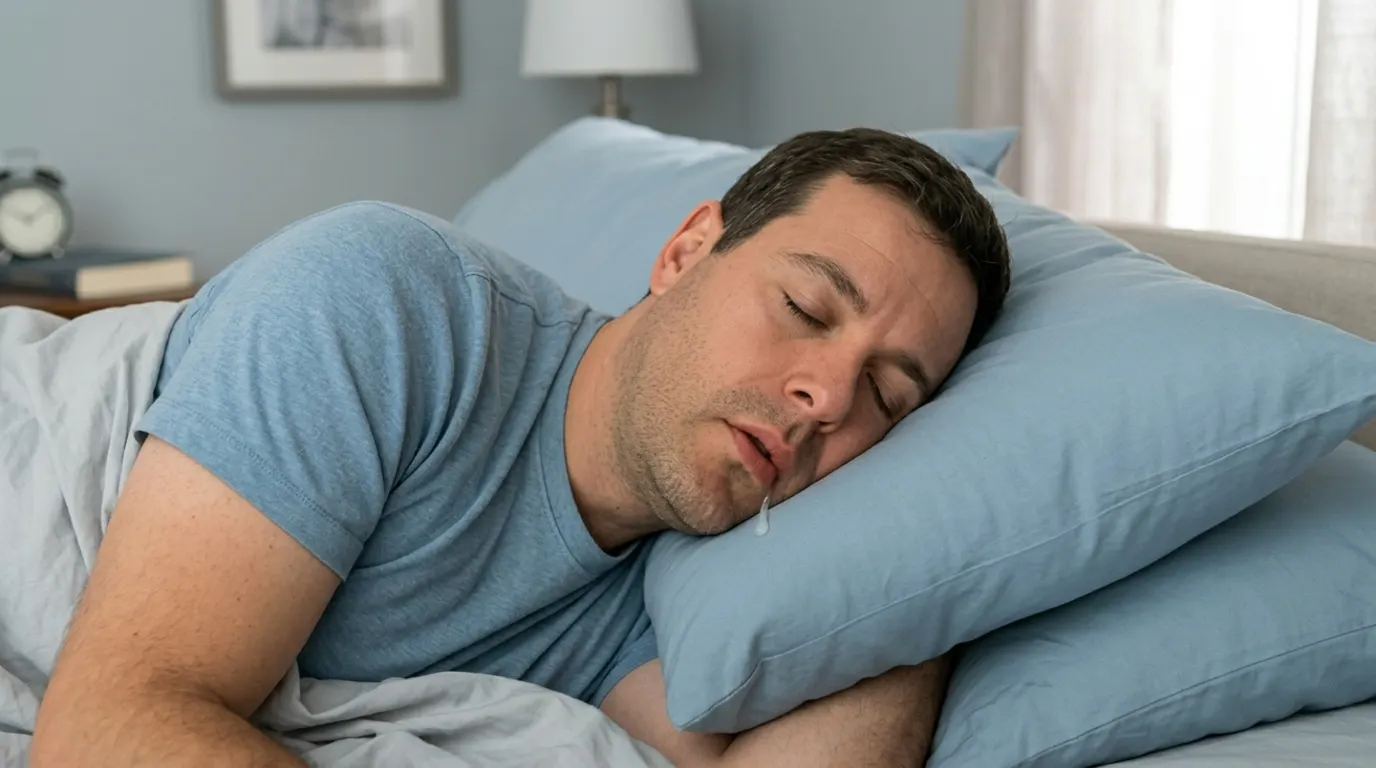
We’ve all been there: waking up after a deep, restorative sleep, only to feel a cold, damp patch on the pillowcase. While it can feel a bit embarrassing, nighttime drooling—known medically as sialorrhea—is a remarkably common occurrence.
During the day, your facial muscles stay engaged, and you subconsciously swallow saliva as your body produces it. At night, however, your muscles relax and your swallowing reflex slows down. When you combine relaxed facial muscles with gravity, excess saliva simply finds an escape route.
While occasional drooling often just means you were sleeping deeply, frequent or heavy pooling can signal underlying habits or health conditions. Here are 10 common reasons why you might be drooling on your pillow, along with practical steps to address them.
1. Your Sleeping Position
If you sleep on your side or stomach, gravity is working directly against your pillowcase. Side and stomach sleeping encourage your mouth to fall open slightly, giving saliva a natural slide downward. Back sleepers rarely have this issue because saliva pools in the back of the throat, triggering a automatic swallow reflex.
2. Nasal Congestion and Allergies
When your nasal passages are blocked due to allergies, a sinus infection, or a common cold, your body instinctively switches to mouth breathing. Breathing through an open mouth all night dries out the oral tissues initially, but it also allows fluid to leak out easily instead of being swallowed.
3. Sleep Apnea
Obstructive Sleep Apnea (OSA) causes your airway to become repeatedly blocked during sleep, leading to snoring, gasping, and frequent mouth breathing. People with sleep apnea often wake up with severe dry mouth or noticeable drool patches because their mouth stays open to maximize airflow.
4. Acid Reflux (GERD)
Gastroesophageal Reflux Disease (GERD) or nighttime acid reflux causes stomach acid to creep back up into the esophagus. In response, your salivary glands go into overdrive—a physiological defense mechanism called water brash—producing excess saliva to help neutralize the acid.
5. Side Effects of Medication
Certain prescription medications list hypersalivation as a common side effect. Drugs commonly associated with excess saliva production include:
- Antipsychotics (such as clozapine)
- Medications used to treat Alzheimer's disease
- Certain antibiotics and psychiatric medications
6. Dysphagia (Swallowing Difficulties)
Dysphagia refers to difficulty swallowing or clearing fluids efficiently. It can stem from temporary conditions like a sore throat or tonsillitis, or more complex neurological conditions (such as Parkinson's disease, ALS, or post-stroke recovery) that impair muscle coordination in the jaw and throat.
7. Anatomical Factors (Deviated Septum or Enlarged Tonsils)
Structural features inside your airways can restrict airflow through your nose. A deviated septum, enlarged adenoids, or swollen tonsils force you to breathe through your mouth while asleep, significantly increasing the likelihood of drooling.
8. Dental Issues or Malocclusion
Issues with jaw alignment (such as an overbite or underbite) or dental conditions like crowded teeth can prevent your lips from fully sealing comfortably while resting. An imperfect lip seal allows saliva to escape easily throughout the night.
9. Deep REM Sleep Relaxation
Drooling isn't always a bad sign! During Rapid Eye Movement (REM) sleep—the stage where vivid dreaming occurs—your body enters a state of temporary muscle paralysis (atonia). If your facial and jaw muscles are fully relaxed, your mouth may drift open, letting saliva flow. In this case, drooling is simply a sign of deep, high-quality sleep.
10. Pregnancy and Hormonal Shifts
Fluctuating hormone levels during pregnancy can cause increased saliva production (ptyalism) alongside heightened nasal congestion. This combination often leads expectant mothers to experience nighttime drooling during their first trimester.
Simple Ways to Reduce Nighttime Drooling
If waking up to a wet pillow is disrupting your sleep or causing skin irritation around your mouth, try these straightforward adjustments:
Strategy Actionable Step
Shift Your Position Try transitioning to sleeping on your back with a
supportive pillow.
Clear Your Sinuses Use a saline nasal rinse, steam shower, or
decongestant before bed.
Stay Hydrated Drink enough water during the day to prevent
saliva from becoming thick or overproduced.
Elevate Your Head Propping your head up slightly with an extra pillow
can encourage natural swallowing.
When to consult a doctor: If your drooling is accompanied by loud snoring, waking up gasping for air, difficulty swallowing during the day, or sudden muscle weakness, speak with a healthcare provider to rule out sleep apnea or neurological concerns.