

Can Mouth Exercises Help Improve Sleep Apnea Symptoms?
May 28, 2026
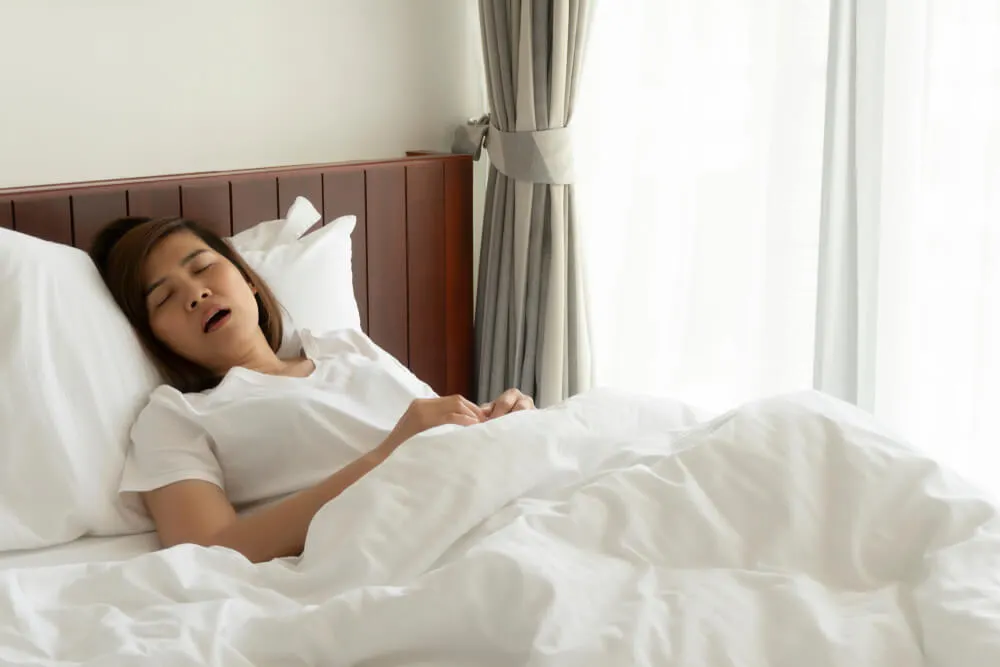
Sleep apnea is a common sleep disorder where breathing repeatedly stops and starts during sleep. It often leads to loud snoring, daytime fatigue, and reduced sleep quality, and if left unmanaged, it can contribute to more serious health issues like high blood pressure or heart problems. While continuous positive airway pressure (CPAP) machines and oral appliances are standard treatments, many people are now curious about simpler, drug-free alternatives — and mouth exercises are one such option gaining attention.
How Mouth Exercises May Help
Mouth exercises, also known as myofunctional therapy or oropharyngeal exercises, target the muscles in your tongue, throat, soft palate, and jaw. The main idea behind these exercises is to strengthen and tone these muscles, improve their tone and control, and help keep your airway open while you sleep. In many cases of sleep apnea, the airway becomes blocked because the muscles around it relax too much and collapse during rest. By making these muscles stronger and more stable, the risk of collapse may decrease, potentially reducing the frequency and severity of breathing pauses.
Research has shown promising results. Some studies indicate that regular practice of these exercises can lower the severity of sleep apnea, reduce snoring intensity, and improve oxygen levels during sleep. They are particularly helpful for people with mild to moderate sleep apnea, or those who cannot tolerate using CPAP machines. These exercises are also easy to learn, cost-effective, and have no side effects, making them an attractive supplementary approach.
Common Mouth Exercises to Try
Here are some simple exercises that are often recommended:
- Tongue Press: Press your tongue firmly against the roof of your mouth and slide it backward as far as you can. Hold for 5–10 seconds, then relax. Repeat 10–15 times.
- Soft Palate Lifting: Open your mouth wide and say "Aah" loudly, focusing on lifting your soft palate and uvula upward. Hold for a few seconds and repeat 10 times.
- Jaw Strengthening: Gently clench your teeth together, hold for 5 seconds, then release. You can also move your jaw side to side and forward and backward to improve mobility.
- Cheek Puffing: Puff out your cheeks with air, move the air from one side to the other, and hold for a few seconds on each side. Repeat 10 times.
For best results, consistency is key. Most experts recommend doing these exercises for about 10–15 minutes every day, and improvements are usually noticed after several weeks or months of regular practice.
Important Considerations
While mouth exercises can be beneficial, they are not a replacement for medical treatment, especially for severe sleep apnea. They work best as part of a broader management plan that may also include weight management, avoiding alcohol and sedatives before bed, and sleeping on your side instead of your back.
It is always recommended to consult your doctor or a sleep specialist before starting any new therapy. They can help determine the root cause of your sleep apnea and advise whether mouth exercises are suitable for your specific condition. In some cases, working with a certified myofunctional therapist can ensure you perform the exercises correctly and get the maximum benefit.
Final Thoughts
Mouth exercises offer a safe, natural, and accessible way to help ease sleep apnea symptoms and improve your sleep quality. By strengthening the muscles that support your airway, you may experience less snoring, fewer breathing interruptions, and more restful nights. Combined with healthy lifestyle habits and proper medical care, they can be a valuable addition to your sleep health routine.