


How Sleep Changes With Age
Dec 31, 2025
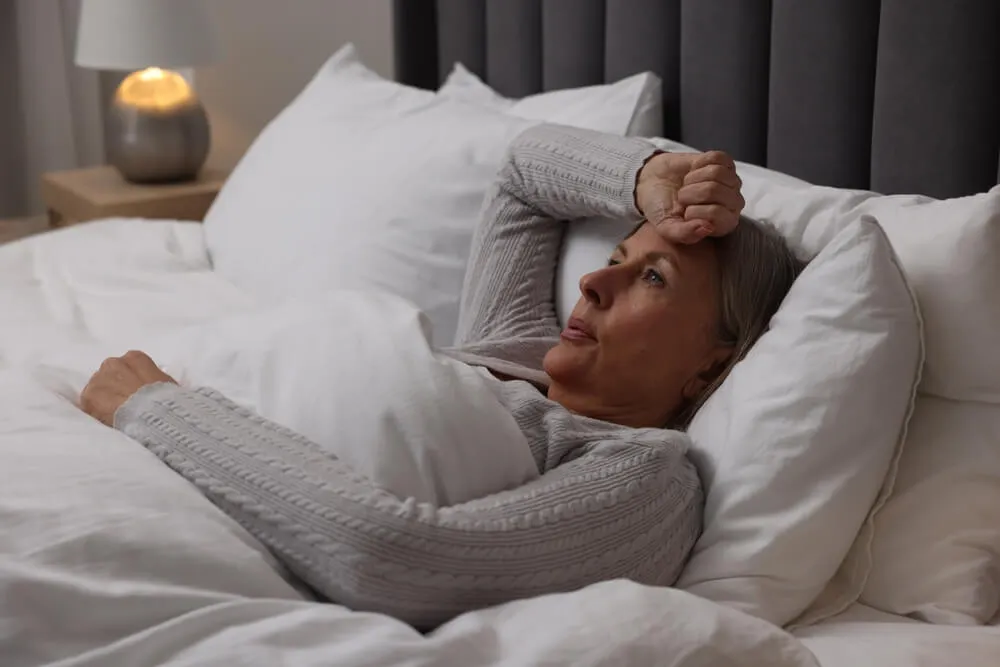
How Sleep Changes With Age: Unlocking the Secrets to Restful Nights After 40
Why Does Sleep Change as We Get Older?
Ever wonder why you’re wide awake at 3 a.m. or why afternoon yawns hit harder than they used to? It’s not just you—sleep changes with age, and it’s a universal experience. As we move through our 40s, 50s, and beyond, our bodies and brains undergo shifts that directly impact how we sleep.
The science is clear: our circadian rhythms—the internal clocks that tell us when to sleep and wake—become less robust with age. Melatonin production drops, and deep sleep (the kind that leaves you feeling truly refreshed) gets harder to come by.
Common Sleep Changes After 40
Let’s break down what you might notice as the years tick by:
- Difficulty falling asleep: It might take longer to drift off.
- Frequent awakenings: You may wake up more often during the night.
- Earlier wake times: Suddenly, 5 a.m. feels like the new normal.
- Daytime sleepiness: Fatigue can creep in, even after a “full” night’s sleep.
- Lighter sleep: Sounds and minor discomforts wake you more easily.
These changes aren’t just annoying—they can affect your mood, memory, and even your immune system. But don’t lose hope! Understanding what’s happening is the first step to better sleep.
Why Sleep Quality Matters More Than Ever
Quality sleep is your secret weapon for healthy aging. It sharpens your mind, boosts your mood, and helps your body repair itself. Poor sleep, on the other hand, has been linked to everything from heart disease to cognitive decline.
If you’re juggling work, family, and maybe even caring for aging parents, prioritizing sleep can feel impossible. But small changes can make a world of difference.
Top Tips for Improving Sleep as You Age
Ready to reclaim your nights? Here’s how:
- Stick to a schedule: Go to bed and wake up at the same time every day—even on weekends.
- Create a restful environment: Keep your bedroom cool, dark, and quiet. Invest in blackout curtains or a white noise machine.
- Limit screen time before bed: Blue light from devices can mess with your melatonin.
- Stay active: Regular exercise (even a daily walk) can help you fall asleep faster.
- Watch your diet: Avoid caffeine and heavy meals late in the day.
- Try relaxation techniques: Meditation, gentle yoga, or deep breathing can help you unwind.
When to Seek Help
If sleep issues persist or seriously impact your daily life, don’t hesitate to talk to your doctor. Sleep disorders like insomnia or sleep apnea are common in older adults and can often be treated. You deserve restful nights—don’t settle for less.
Final Thoughts: Embrace the Change, Reclaim Your Rest
Aging doesn’t have to mean endless tossing and turning. By understanding how sleep changes with age and making a few intentional tweaks, you can enjoy restorative nights and vibrant days. Remember, you’re not alone on this journey—and every step toward better sleep is a step toward a healthier, happier you.