


How Can Exercise Help Manage Sleep Apnea Effectively?
Jul 16, 2026

If you are dealing with Obstructive Sleep Apnea (OSA), you are likely familiar with the exhaustion, the morning headaches, and the struggle of adjusting to a CPAP machine. While devices like CPAP are the gold standard for treatment, many people overlook one of the most powerful lifestyle interventions available: exercise.
When we talk about exercise for sleep apnea, the immediate assumption is that it's all about weight loss. While shedding pounds certainly helps, the physiological benefits of breaking a sweat go much deeper than the number on the scale.
Here is a look at exactly what is happening in your throat while you sleep, and how getting active can directly fight the collapse.
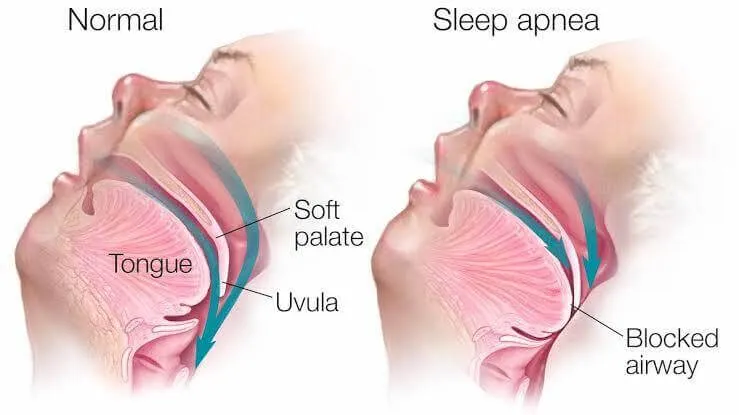
As you can see in the comparison above, OSA occurs when the muscles in the back of your throat—specifically around the tongue, soft palate, and uvula—relax too much, blocking your airway. Exercise actively combats this blockage through four distinct biological mechanisms.
1. Targeted Fat Reduction (The Neck Matters)
While general weight loss reduces the overall burden on your respiratory system, reducing fat specifically around your neck (often referred to as neck circumference) is critical. Excess fatty tissue around the upper airway physically weighs down on the throat structures when you lie flat. Regular cardiovascular exercise shrinks fat cells globally, which ultimately takes the structural pressure off your windpipe.
2. Preventing the "Rostral Fluid Shift"
This is one of the most fascinating—and least talked about—causes of sleep apnea. Throughout the day, gravity causes fluid to pool in your legs. When you lie down to sleep, that fluid shifts upward (rostrally) into your neck. This excess fluid inflates the tissues around your throat, making the airway narrower and more prone to collapse.
Regular aerobic exercise, particularly walking or cycling, relies on the muscles in your calves to pump that fluid back up into your body during the day, preventing it from pooling. Less fluid in your legs during the day means less fluid shifting into your neck at night.
3. Boosting Airway Muscle Tone
When you strengthen your body, you aren't just working your biceps and quads. General physical fitness improves your body's overall muscle tone and neuromuscular control. While you can't exactly "lift weights" with your throat, an active body maintains better resting muscle tension than a sedentary one, which can help keep the soft palate and tongue from collapsing completely backward during deep sleep.
4. Rebuilding Sleep Architecture
Sleep apnea fractures your sleep cycle. You spend all night bouncing between light sleep and micro-awakenings to gasp for air, meaning you miss out on restorative slow-wave (deep) sleep. Exercise is a potent driver of deep sleep. By working out, you increase your brain's "sleep drive," making your sleep more efficient. Even if you still experience some apneic events, the quality of the sleep you do get between them is often significantly deeper and more restorative.
The Best Exercises for Sleep Apnea
You don't need to become an elite athlete to see benefits. Consistency matters more than intensity. Here is how different training styles help your airway:
Exercise Type Benefit for Sleep Apnea Recommended Frequency
Aerobic (Cardio) Pumps fluid out of the legs; 150 mins/week (e.g., brisk
drives calorie burn; improves walking, cycling)
heart and lung efficiency.
Strength Training Increases overall basal 2–3 days/week
metabolic rate and improves
systemic muscle tone.
Yoga & Pilates Emphasizes deep, controlled Daily or as tolerated
breathing (pranayama); builds
lung capacity and diaphragm
strength.
A Quick Note on Timing: Try to finish vigorous exercise at least 2 to 3 hours before bed. Working out too close to bedtime elevates your core temperature and cortisol levels, which can actually make it harder to fall asleep.
Managing sleep apnea is a multi-tool job. While exercise should not replace your doctor's prescribed treatments (like CPAP or oral appliances) without their supervision, it is one of the best ways to tackle the root causes of the condition rather than just managing the symptoms.