


One Bedtime Habit That Can Help Protect Your Heart
May 07, 2026
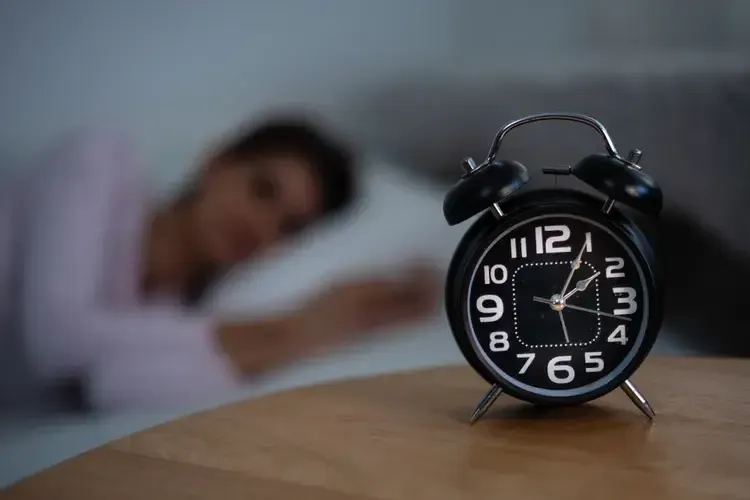
The Unseen Rhythm: How a Consistent Bedtime Habit Shields Your Cardiovascular Health
When we think about heart health, the mind usually drifts toward intense cardio sessions, cutting out saturated fats, or managing blood pressure readings. While those are vital pillars of longevity, medical research is increasingly pointing toward a more sedentary—yet equally powerful—intervention: the consistency of your sleep-wake cycle.
Specifically, the habit of going to bed at the same time every night is emerging as a non-negotiable factor in protecting the heart’s intricate machinery. It isn't just about the number of hours you clock; it’s about the biological "clock" you set.
The Science of the Circadian Rhythm and the Heart
Our bodies operate on a 24-hour internal clock known as the circadian rhythm. This rhythm dictates hormonal fluctuations, body temperature, and, most importantly, the resting state of the cardiovascular system.
When you maintain a rigid bedtime, your heart rate and blood pressure naturally "dip" at the same time every evening. This nocturnal dip acts as a critical recovery period for your arteries. Research suggests that "social jetlag"—the phenomenon of shifting your sleep schedule significantly between workdays and weekends—disturbs this dip, leading to increased systemic inflammation and a higher risk of atherosclerosis.
Why Consistency Trumps Duration
While getting seven to nine hours of sleep is the gold standard, recent longitudinal studies have found that individuals with highly irregular sleep patterns have a significantly higher risk of cardiovascular events compared to those who sleep slightly less but on a strict schedule.
An irregular bedtime forces the heart to remain in a state of "alertness" longer than necessary. This spikes cortisol levels, which in turn elevates glucose levels and puts undue stress on the vascular walls. By simply choosing a dedicated hour for sleep, you provide your heart with a predictable window for cellular repair.
How to Build the Habit for Long-Term Protection
Transitioning into a heart-protective sleep routine doesn't happen overnight. It requires environmental and behavioral shifts:
- The 10-Minute Buffer: Aim to be in bed 10 minutes before your "goal" time to allow your heart rate to settle.
- Light Hygiene: Minimize blue light exposure 60 minutes before bed. Blue light suppresses melatonin, which is essential for triggering the cardiovascular "cool-down" phase.
- Temperature Control: Keep the bedroom cool. A drop in core body temperature is a biological signal to the heart that it is time to slow down.